Brawl Stars World Finals will use a three-day format in Tokyo
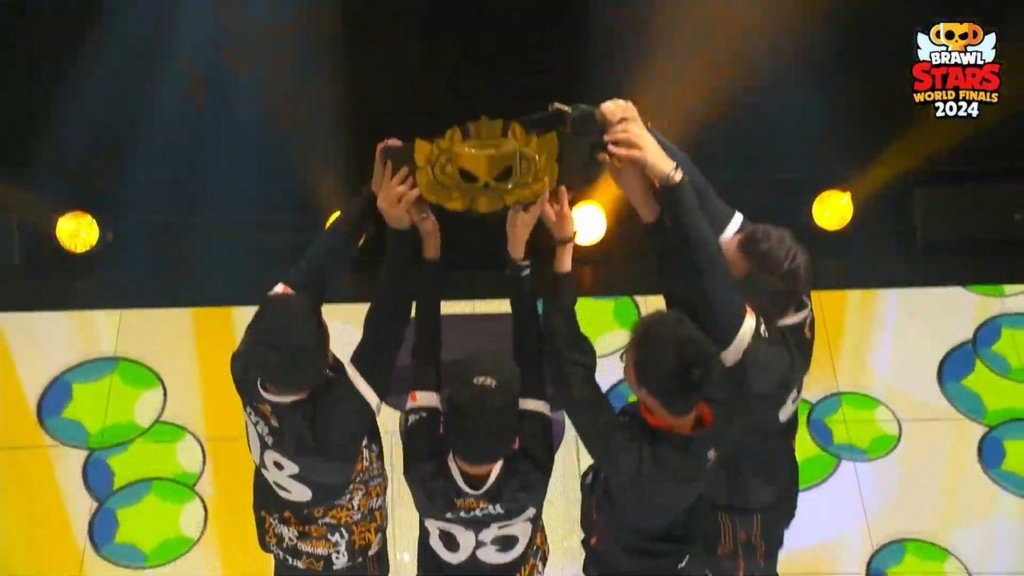
The 2026 Brawl Stars World Finals will bring twelve teams to Tokyo from 20 to 22 November. The event will be held at Tokyo Metropolitan Gymnasium. Teams will compete for a total prize pool of one million dollars.
The format separates the field into direct playoff seeds and group-stage teams. Four regional leaders start in the playoff bracket. Eight other teams first compete in two groups on Friday.
Regional results decide the entry route
EMEA receives four World Finals places through its regional standings. North America, South America and East Asia each receive two. Two additional teams will qualify through the Last Chance Qualifier. The leading team from each region advances directly to Saturday’s playoffs. Lower regional seeds enter Friday’s group stage. This system rewards season-long results without removing a route for later qualifiers.
Eight teams will be divided between Group A and Group B. Each group contains four teams and uses the GSL format. Two teams advance from each group, while two are eliminated. The group stage uses best-of-five matches. Every team receives an opening match before moving to a winners’ or elimination match. A final decider identifies the second qualifier from each group.
Friday reduces the field from twelve to eight
Group A includes the second EMEA seed and second South American seed. The third EMEA seed and second Last Chance Qualifier seed complete that group. Group B contains the second East Asian and North American seeds. The fourth EMEA seed and leading Last Chance Qualifier team take the remaining places.
Four teams survive Friday and join the four regional leaders.
The playoff field therefore contains eight teams by the end of the opening day. Group results also determine positions in the next bracket. Regional seeding decides each team’s starting point before the final list is complete. The four first seeds avoid Friday’s elimination matches. The remaining eight teams compete for four playoff places.
| Entry route | Teams | Starting stage |
|---|---|---|
| Regional first seeds | 4 | Playoffs |
| Other regional qualifiers | 6 | Group stage |
| Last Chance Qualifier | 2 | Group stage |
| Total field | 12 | Three-day event |
Saturday begins a double-elimination bracket
The eight remaining teams enter a double-elimination playoff. A first defeat moves a team into the lower bracket. A second defeat ends its tournament. The four regional leaders meet the four group-stage qualifiers. Direct entry removes one day of competition for those leaders. It also gives them less recent stage experience before their first match.
Every playoff match before the grand final uses the best-of-five format. Three set victories complete a match. Draft choices and available modes can change across those sets. Saturday establishes the upper and lower paths for the final day. No team wins the title on the second day. The results decide who keeps the safer route and who faces immediate elimination.
The grand final uses a best-of-seven match
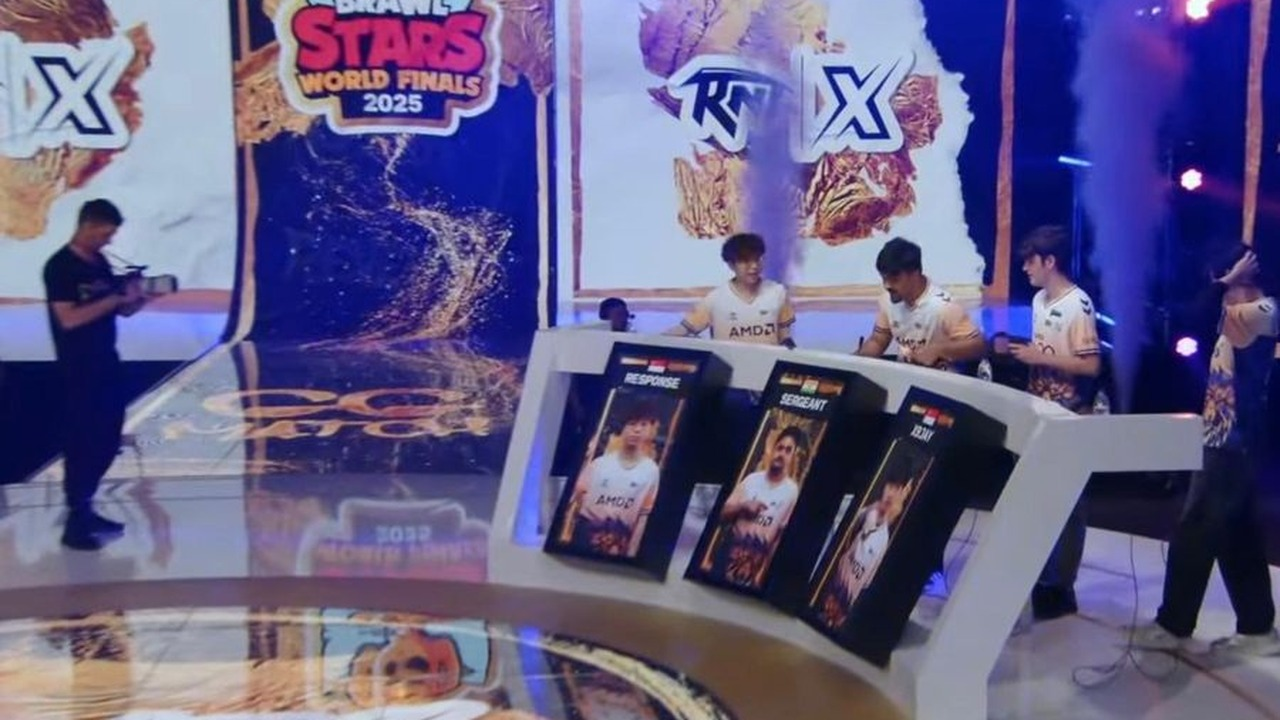
Sunday contains five best-of-five matches before the final title decision. The remaining teams continue through both sides of the bracket. Every lower-bracket match eliminates one team. The grand final changes to a best-of-seven format. The upper-bracket winner starts with a 1-0 advantage.
Its opponent therefore requires one additional set victory during the final.
The champion receives the Thomas Lyte trophy and the largest share of the prize pool. Supercell has not published every team name yet. Regional standings and the Last Chance Qualifier complete the final list. The confirmed framework is already detailed. Twelve teams start across three days, and eight reach the playoffs. One team finishes Sunday as the 2026 Brawl Stars world champion.
The schedule rewards consistent regional results
Regional first seeds receive the shortest route because they start in the eight-team playoff. They avoid the group stage but face opponents with recent experience on the Tokyo stage. Group-stage teams face a different challenge. Two best-of-five victories secure progress through the GSL format. A team can survive one opening defeat if it wins both later elimination matches. The double-elimination bracket gives every playoff team protection from one loss. Upper-bracket teams keep the direct route to the final. Another defeat eliminates every team in the lower bracket.
The 1-0 advantage in the grand final rewards the upper-bracket winner. The lower-bracket finalist arrives after playing an additional elimination match. A best-of-seven format provides enough room for several mode and map changes. Tokyo Metropolitan Gymnasium will host all three days. Ticket access and the confirmed schedule allow travelling supporters to plan for the event. The final team list will be completed through regional standings and the Last Chance Qualifier.