KairosTime Wins 10 of 20 With Cosmo
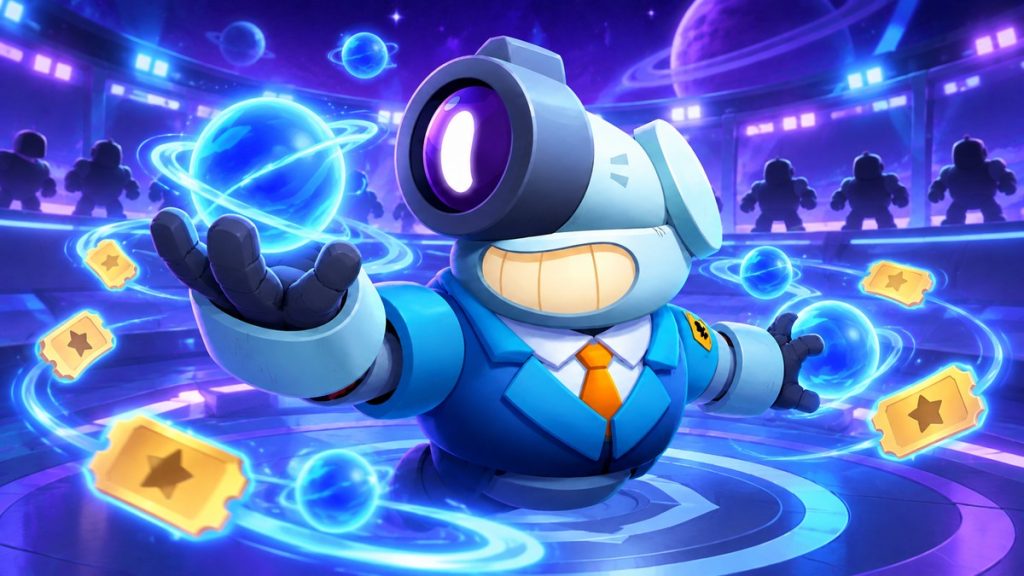
KairosTime Gaming finished a 20-match Cosmo challenge test with 10 wins, using mainly random teammates and judging the new Brawler as an experienced creator who describes himself as a regular player. The 50 percent result was lower than his usual performance in new-Brawler events, leading him to a measured conclusion: Cosmo looks strong in the right setting and remains a situational pick.
The run began with 12 tickets and six wins. KairosTime then bought eight more tickets, bringing the sample to 20 matches, and finished with 10 victories. The result is a transparent account of one player’s session. Random teammates, changing maps and individual decisions all shape a challenge run, so the situations around the number provide the useful context.
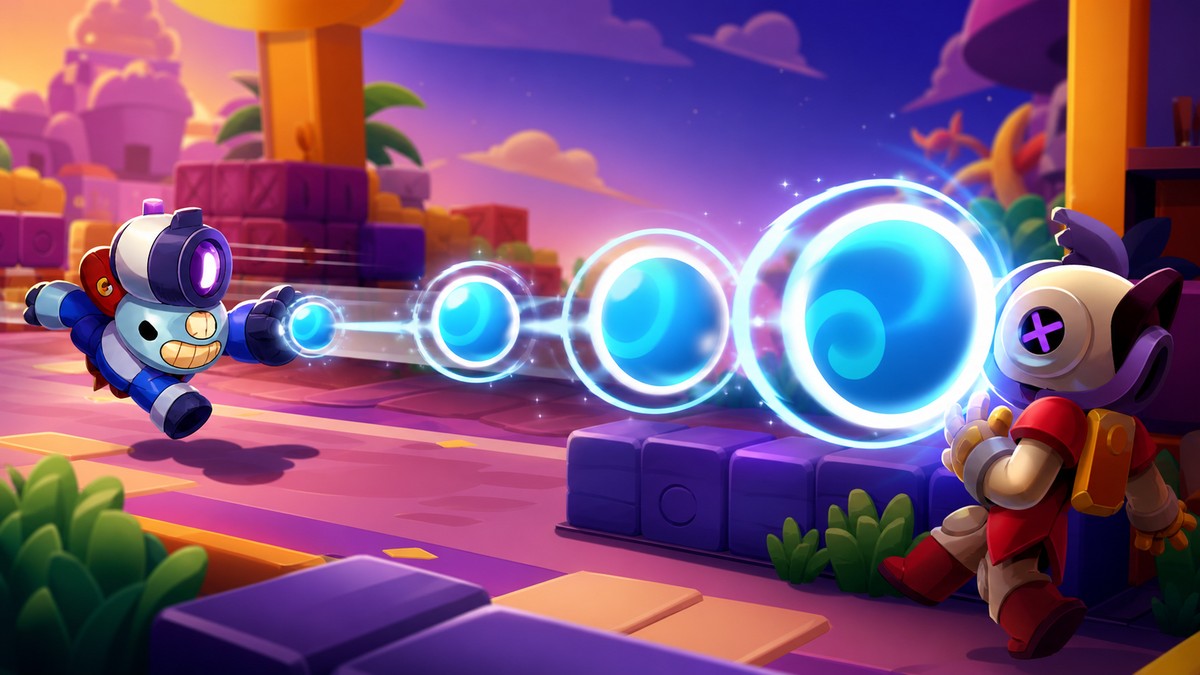
Open Bounty maps gave Cosmo more room to use curving projectiles, while heavy wall cover made attacks harder to connect. Because those projectiles bend in a fixed direction, KairosTime repeatedly preferred approaching walls from the side that let the curve reach around cover. That is a practical positioning lesson: the same target and wall can produce a different shot depending on which lane Cosmo occupies.
What the 20 matches showed
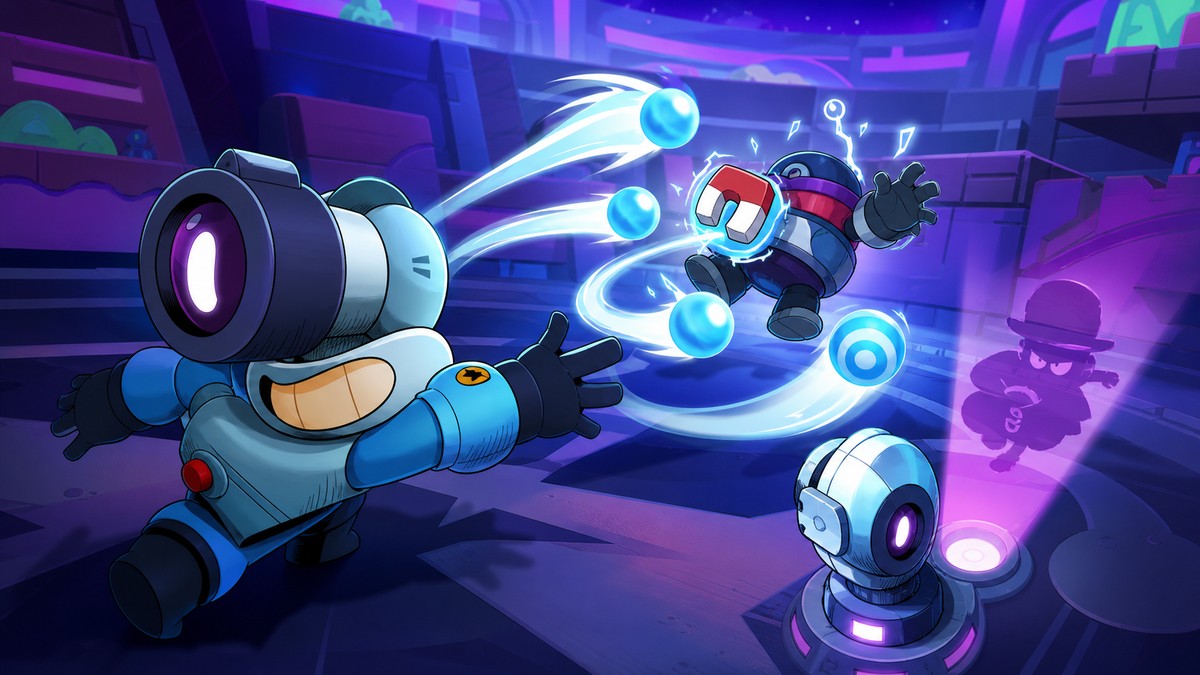
Cosmo’s Super created both opportunities and mistakes. Planetary Pushback can move an enemy during a Brawl Ball attack or stop a dangerous approach, but auto-aiming it at an enemy already moving forward can push that opponent toward Cosmo. KairosTime recommended manual aim in that situation, because direction matters as much as timing.
Ammo Attractor adds another small decision. When the Super connects with that option equipped, Cosmo reloads two ammo. KairosTime tried to spend ammo before landing the Super so the reload could fill open spaces in the bar. He also used basic attacks to check bushes and experimented with Vision Gear. Telescope Trap revealed its area for six seconds, including invisible enemies, and could interrupt movement abilities inside the zone.
Taken together, those mechanics reward deliberate setup. Open space gives the projectile curve room to work, a preferred side of cover improves angles, and manual Super placement avoids an unwanted push. Ammo timing then determines whether the reload benefit creates real pressure. Those advantages still depend on landing shots and reading the map. The result supports KairosTime’s positive and measured final judgment.
The challenge also sits inside Cosmo’s release path. After the early-release event, Cosmo moves into Brawler Blast. Players deciding whether to spend during early access can therefore separate two questions: whether the kit looks enjoyable now and whether immediate access is worth the cost. The 10-of-20 run offers concrete gameplay points they can test while making that choice.
How to apply the test carefully
Use the result as a practical checklist. Look for open lanes before choosing an angle, approach cover from the side that favours the projectile curve, aim Planetary Pushback manually when its direction could help an opponent, and create room in the ammo bar before expecting Ammo Attractor to pay off. On maps packed with walls, be ready for a harder match than the most successful Bounty examples in the video.
- Final test result: 10 wins from 20 matches after starting six-for-12.
- Best demonstrated environment: open lanes where curved shots have room to reach targets.
- Key execution details: manual Super direction and deliberate ammo use before a successful hit.
| Observation | Practical meaning |
|---|---|
| Curving projectile | Choose the side of cover that lets the shot bend toward the target |
| Planetary Pushback | Manual aim can prevent pushing an approaching enemy closer |
| Ammo Attractor | Spend ammo first so a two-ammo reload creates value |
| Telescope Trap | Use the six-second reveal to control an area and expose hidden enemies |
KairosTime’s result supports a balanced reading of Cosmo. The kit has distinct tools for open maps, vision and displacement, and those tools demand good angles and careful input. Ten wins from 20 attempts records one controlled challenge session and gives players a focused set of mechanics to examine for themselves.